
All ten panels, priced. Buy ten, we match it.
Clinic price, suggested retail and the margin between them are on this page for every panel we carry — no account, no call. Registration is separate, and free: no card, no minimum and no opening order. It verifies your licensure once, puts the laboratory paperwork and your state’s ordering scope in writing, and holds the buy-ten term against your account until you have a reason to use it.
Registering puts your practice on our contact list. Reply once to any email and the contact stops — your account, your pricing and your listing stay as they are.
Shown on General Wellness. Every priced panel in the catalogue works the same way, at a blended margin of about $170 a kit.
Twenty-one posters, ready to print today.
Print-ready posters for the waiting room, and short films for the screen behind your front desk. Your practice name and logo go in the footer of any poster; ours stays small, because on your wall you are the brand and we are the supplier.
One for each of the twelve specialties and one for each kit, in A4, US Letter and a square crop for social. Short silent films are being added panel by panel — two each, the kit on its own and a patient being handed it. The finished ones are on the posters page; we are not going to say they are all done when they are not.

Six seconds, no sound. Made to loop on the screen behind a front desk.
The whole catalogue, on the page you landed on.
All ten panels, each with the clinic price and the suggested retail. No click-through, no form and no call to see it. StemAge was the last one held back; its analyte list and price are now confirmed, so the whole catalogue is priced in public.
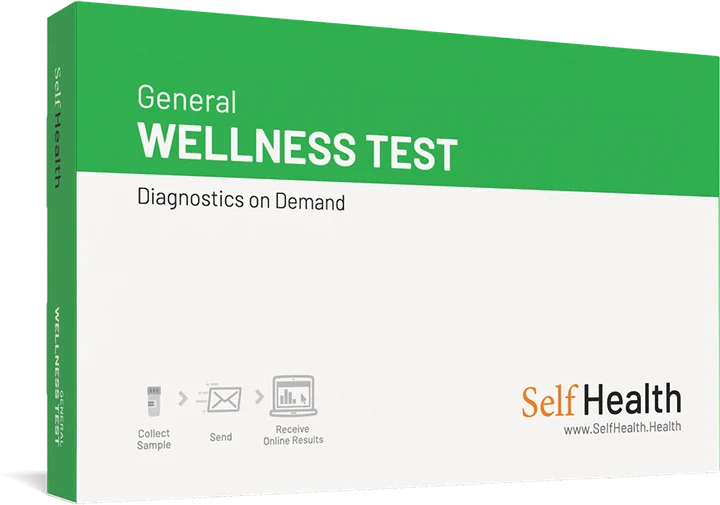 General WellnessIn-clinic venous draw$299retail $499Draw
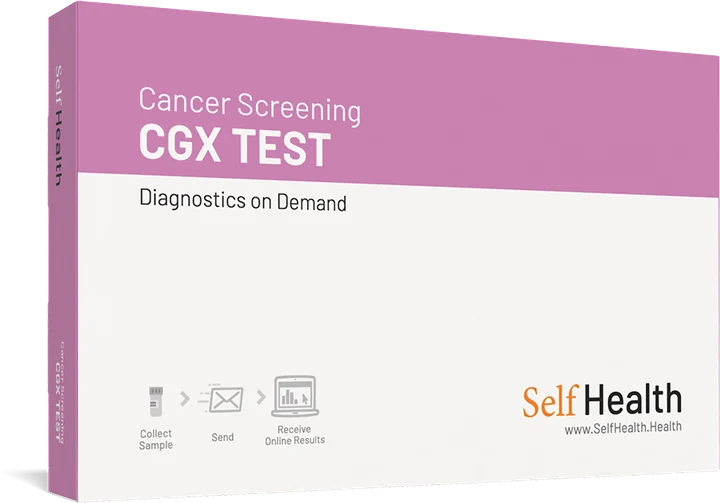 Cancer Screening (CGX)Buccal swab · clinic or home$399retail $699No draw
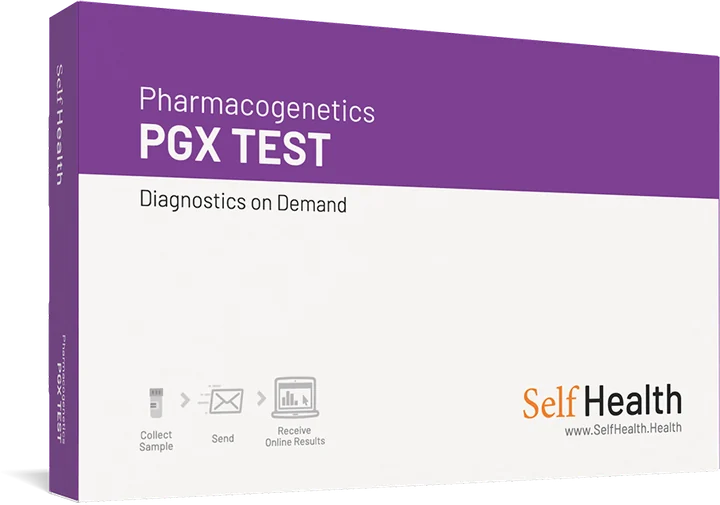 Pharmacogenetics (PGX)Buccal swab · clinic or home$299retail $499No draw
 Vein WellnessIn-clinic venous draw$129retail $229Draw
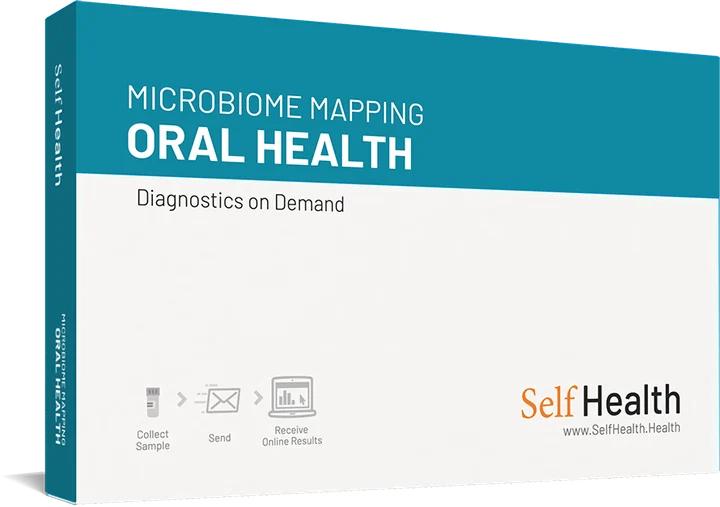 Oral HealthOral swab · clinic or home$129retail $229No draw
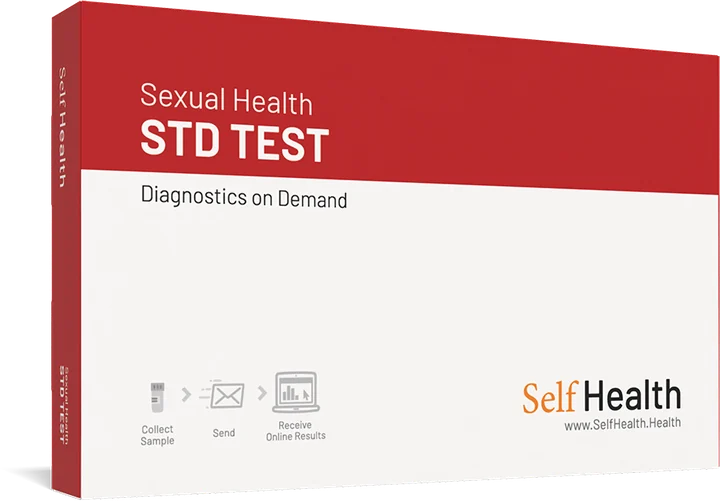 Sex Health (STD)Swab or urine · clinic or home$129retail $229No draw
 AllergyIn-clinic venous draw$109retail $179Draw
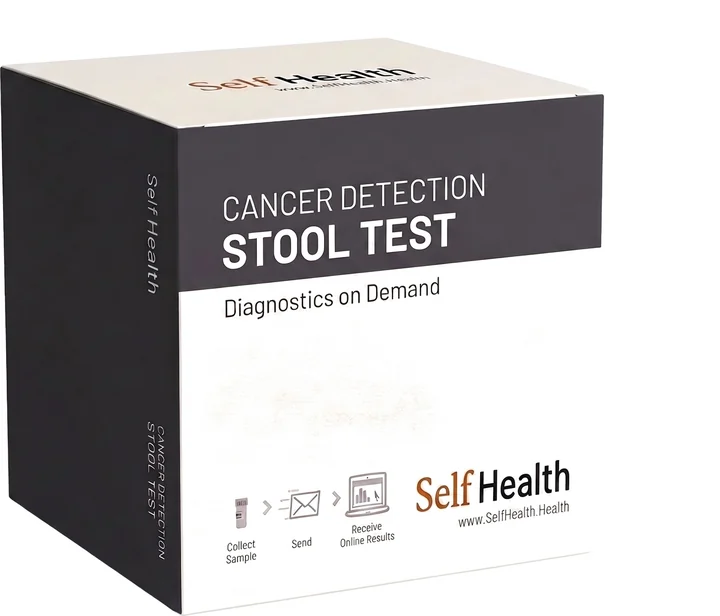 Cancer Detection StoolTake-home stool$49retail $99No draw
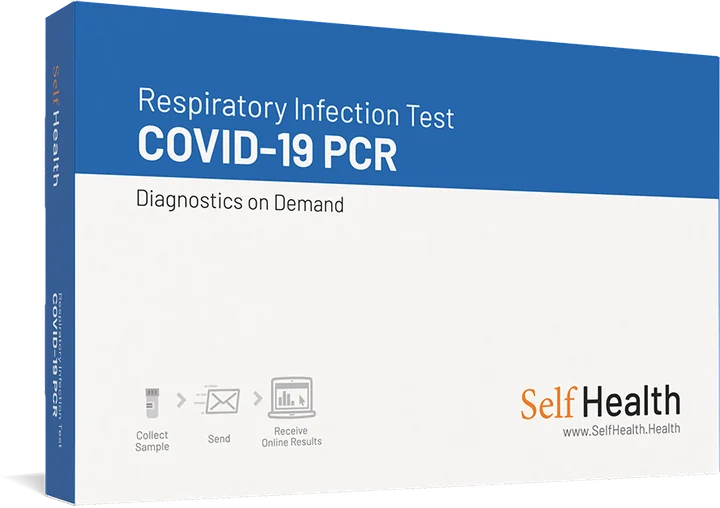 Respiratory / COVID-19 PCRTake-home swab$49retail $79No draw
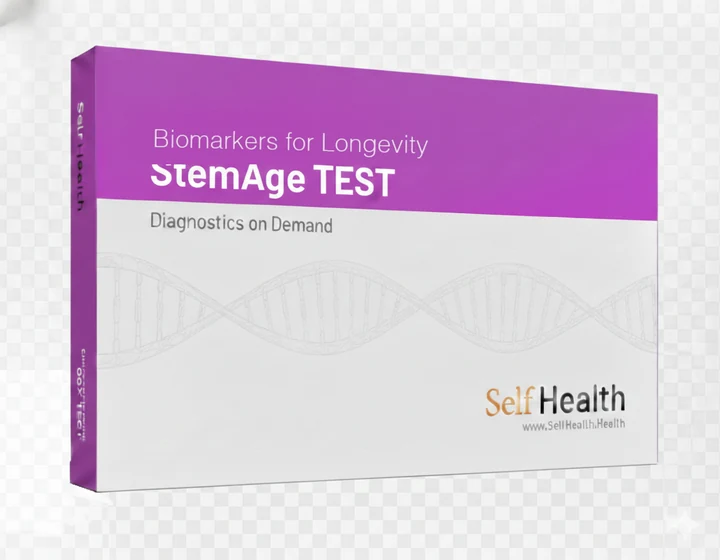 StemAgeIn-clinic venous draw + swab$550retail $799Draw
Buy ten or more of any SKU and we match the quantity on consignment — invoiced at your next order, less your profit on the ones that sold. Financing is available on review. Licensure verification takes one business day, and you can read every price above before you start it.
Your patients are already buying diagnostics. Just not from you.
Consumer at-home testing has spent five years teaching your patient base to want biomarker data, and collecting the revenue for it. This is the clinical version of that demand, pointed back at the practice.
Those services are built around a fingerstick, and a fingerstick can only carry a narrow, fixed list. Everything else in them — the app, the trend lines, the monthly charge — exists to make that small list feel like enough.
We are built the other way round. The core is a full venous panel run at a CLIA-certified laboratory, collected in your practice. Swab, urine and stool collection exist where the assay genuinely supports it — oral microbiome, pharmacogenomics, sex health, stool DNA — because in those cases it is the correct specimen, not a compromise.
And the result goes to a clinician who already has the patient in front of them, with the protocols to act on it and a clinically indicated re-test to show whether it worked. That is the part a subscription cannot replicate, and it is the part you already own.
This is a diagnostic line for a licensed practice, at clinic pricing. It is not a consumer subscription, it is not sold to patients directly, and there is no version of it that routes around you.
- Ten panels, not one fixed biomarker list
- Genomic, microbiome and stool assays no fingerstick can run
- Physician-ordered — yours or ours, depending on scope
- Baseline, treat, re-test — a loop, not a feed
- Your opening order — you carry no inventory risk
| Direct to your patientAt-home monitoring services | Through your practiceAAP Medical | |
|---|---|---|
| Collection | Fingerstick, mailed in. One modality, because it is the whole platform. | Venous draw in your practice. Swab, urine or stool where the assay supports it. |
| Panel breadth | A fixed list of blood biomarkers, sold as tiers. | Ten panels stacked on one requisition — wellness, genomic, microbiome, allergy, sexual health, stool, respiratory. |
| Beyond blood chemistry | Not available. A fingerstick cannot run a germline panel or a microbiome assay. | Cancer risk (CGX), pharmacogenomics (PGX), oral microbiome mapping, stool DNA, IgE allergy. |
| Who reads it | The patient does, in an app. | You do, with the patient in the room and the treatment options already in front of you. |
| What happens next | A trend line, and a prompt to test again next month. | A treatment decision, and a re-test when it is clinically indicated. |
| Who gets paid | The platform. | You do. You set the retail price and keep the difference. |
The left column describes the consumer at-home testing category as it describes itself. It is not a comparison to any single named provider, and we have not tested a competitor’s assay.
Twelve rooms. Twelve different answers.
The programme is identical everywhere. The clinical argument, the panel we would lead with and the numbers are not — so we wrote them out separately rather than send every practice the same deck.
Dental & periodontal
The perio exam is still probing depths and clinical judgement. Oral Health makes it a number, on a recall visit already booked.
HRT & men's health
A panel missing PSA and LH sends you back to the lab. Built to AUA Table 7.
Behavioral health
CPIC Level A guidance for the antidepressants you prescribe every day — the strongest pharmacogenetic case in medicine.
Weight management
Every GLP-1 start is a baseline you are not currently taking.
Diagnostics a practice can actually buy — priced in the open, supplied without a minimum, and described in language a clinician can check.
All ten panels carry a clinic price, a suggested retail and the margin between them — before you register, before you talk to anyone. A price you have to ask for is a price that moves.
Registration is free and verifies your licensure once. It puts the CLIA certificate, the assay methods and your state’s ordering scope in writing. Nothing about it obliges you to buy a box.
Every panel page says plainly what it does not do, and we will not tell you a panel is right for your patient. We supply the kit, the laboratory and the paperwork; the clinical decision stays yours.
You buy it. You price it. You keep the difference.
Your margin is what you sell for minus what you pay us. You own the stock you buy, and we match any order of ten or more of a single SKU.
| Volume | Panels / month | Blended margin | Your monthly | Your annual |
|---|---|---|---|---|
| 1 a day | 20 | $170 | $3,400 | $40,800 |
| 2 a day | 40 | $170 | $6,800 | $81,600 |
| 3 a day | 60 | $170 | $10,200 | $122,400 |
20 business days a month. $170 is the blended margin across a typical mix — 35% General Wellness, 20% PGX, 12% CGX and the balance spread evenly across the remaining six priced panels — and it runs higher if you lead with the two genetic panels. Illustrative, and not a guarantee of results.
Roughly 25–40 minutes of staff time per panel — explanation, consent, collection, packaging, dispatch — plus three to five minutes of manual entry until we ship an EMR interface. That is real, it is the reason we open every practice on one panel rather than ten, and we would rather you hear it here than find it in month two.
Register first. Order when a patient asks.
Every version of this you have been pitched starts by asking you to buy an opening order. This one starts with the paperwork, at no cost, and the order waits until there is a patient in front of you who wants one.
Free is the whole price
No card at registration, no minimum order, no term and no paid tier behind the free one. A practice can register, be verified and never buy a kit, and none of that ends the account.
What registration puts in your hands
Licensure verified once and held on file. The laboratory’s CLIA certificate number and named assay methods in writing. Who may order each panel under your state’s rules, for your licence type. The requisition for every panel.
An optional public listing
Registered practices may choose to appear in a national registry of clinics offering these panels, so a patient looking for somewhere to have one done can find a practice near them. It is a separate box, off unless you tick it.
How many patients a listing sends you. The registry is new, we have no traffic history to show you, and any figure we put beside it would be one we invented. A listing is not an endorsement either — it says your licence has been verified with us and which panels you chose to show.
We say the limitation first.
Everything below is on the site because your medical director was going to ask, and because a supplier who will not answer it in public should not be trusted with your specimens.
What these panels are
- Laboratory-developed tests. Performed by a CLIA-certified partner laboratory, ordered by a licensed clinician, reported against laboratory-defined ranges.
- Objective input to a clinical decision. Quantitative, documented, repeatable and re-testable after therapy.
- Cash-pay, outside the insured encounter. Nothing here is billed to Medicare, Medicaid or any federal healthcare programme.
What they are not
- Not FDA-cleared. No panel on this site is cleared or approved by the FDA for the indications described.
- Not a diagnosis. Periodontal disease, hypogonadism, venous disease and malignancy are all clinical diagnoses. A panel informs one; it never replaces one.
- Not a screening test for systemic disease. Screening is a term of art requiring established sensitivity, specificity and outcome benefit. Where that evidence does not exist, we do not use the word.
What your medical director will ask
Three of these answers are concessions. They are here anyway.
Is the laboratory CLIA-certified?
Yes, and we provide the certificate number before you order. Named assay methods and a turnaround measured to your address come in the same document. If we could not answer this there would be no conversation.
Do results come into our EMR?
Not as discrete values today. You get a PDF, which means manual entry — roughly three to five minutes per result. That is a real operational cost and we are not going to pretend otherwise.
Is this cheaper than our reference lab?
No. It is broader, and it is a retail product you mark up rather than a cost line you absorb. We do not pitch on price and you should not buy on it.
Should we move existing patients onto these panels?
Generally no. Where a guideline says to measure at the same laboratory on the same assay over time — AUA says exactly that for testosterone — keep those patients where they are. This is for new starts.
Who owns an abnormal result?
The performing laboratory holds the result-delivery and escalation obligation. Where our telehealth physician is the ordering clinician, they own the result. Where you order it, a finding outside your scope is a referral, never an interpretation.
How is it billed?
Direct to the patient, cash-pay. We do not recommend pass-through billing at a markup — several states restrict it and it creates exposure your practice does not need.
Can we start small?
We insist on it. Every practice opens on a single panel chosen from your patient mix, runs it for a quarter, and we look at attach rate and staff-minutes before adding a second.
No inventory. No equipment. No reason to wait.
Register your practice and we will recommend one lead panel from your patient mix, not from our margin. Buy ten or more of any SKU and we match the quantity on consignment, invoiced at your next order less your profit, until your next order.
Economics shown on this page are illustrative and not a guarantee of results.